Having a ball: How Play Our Way is opening doors for girls in sport
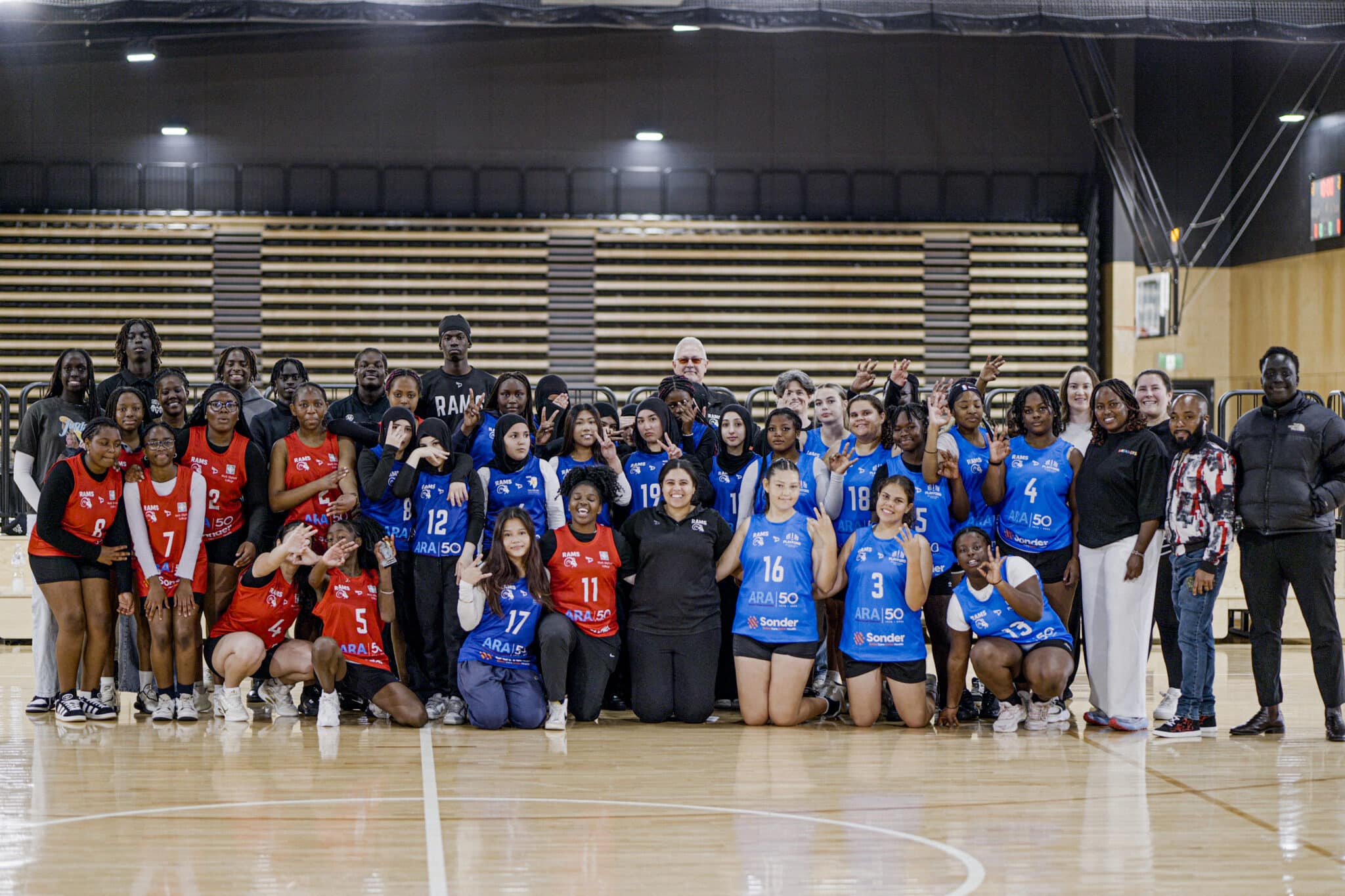
More than 50 high school girls from across Adelaide’s northern suburbs recently took to the court for a basketball program designed to do more than just teach sport.
The Girls’ Basketball Program from Play Our Way brought together a strong collective of partners, including Rams Sports Group, the Australian Refugee Association (ARA), Basketball SA, and Sonder.
The end result was a welcoming and supportive environment where girls from diverse cultural backgrounds could build skills, confidence, and connection through sport.
Removing barriers to participation
After being approached with the proposed initiative, Sonder was pleased to offer support through our Play Our Way program, which empowers sports clubs and other facilities to encourage greater participation of women and girls.
Together, the program partners designed and delivered the Girls’ Basketball Program.
Across ten weeks, students from Playford International College, Roma Mitchell Secondary College, and Mark Oliphant College participated in structured basketball training sessions facilitated by Rams Sporting Group coaches.
While the sessions focused on developing core basketball skills, the program also emphasised broader life skills including teamwork, resilience, leadership, and communication.
The program was designed to tackle some of the key barriers that prevent women and girls from participating in sport. As such, it represented an important and accessible first step into organised sport for many participants.
Play Our Way Project Officer Marli Clark shared that Sonder contributed funding to support the program’s delivery, helping ensure the basketball sessions were free for participants.
“Cost is a huge barrier,” Marli said. “By covering the program fees and providing uniforms and equipment, we were able to remove that obstacle and make sure every girl who wanted to participate had the chance. It meant the girls could simply turn up, give it a go, and enjoy the experience.”
Hosting the program onsite at the schools also helped remove other common barriers to access, such as transport and accessibility.
“When opportunities like this are brought directly into the school environment, it makes a huge difference to participation,” Marli said.
A carnival to remember
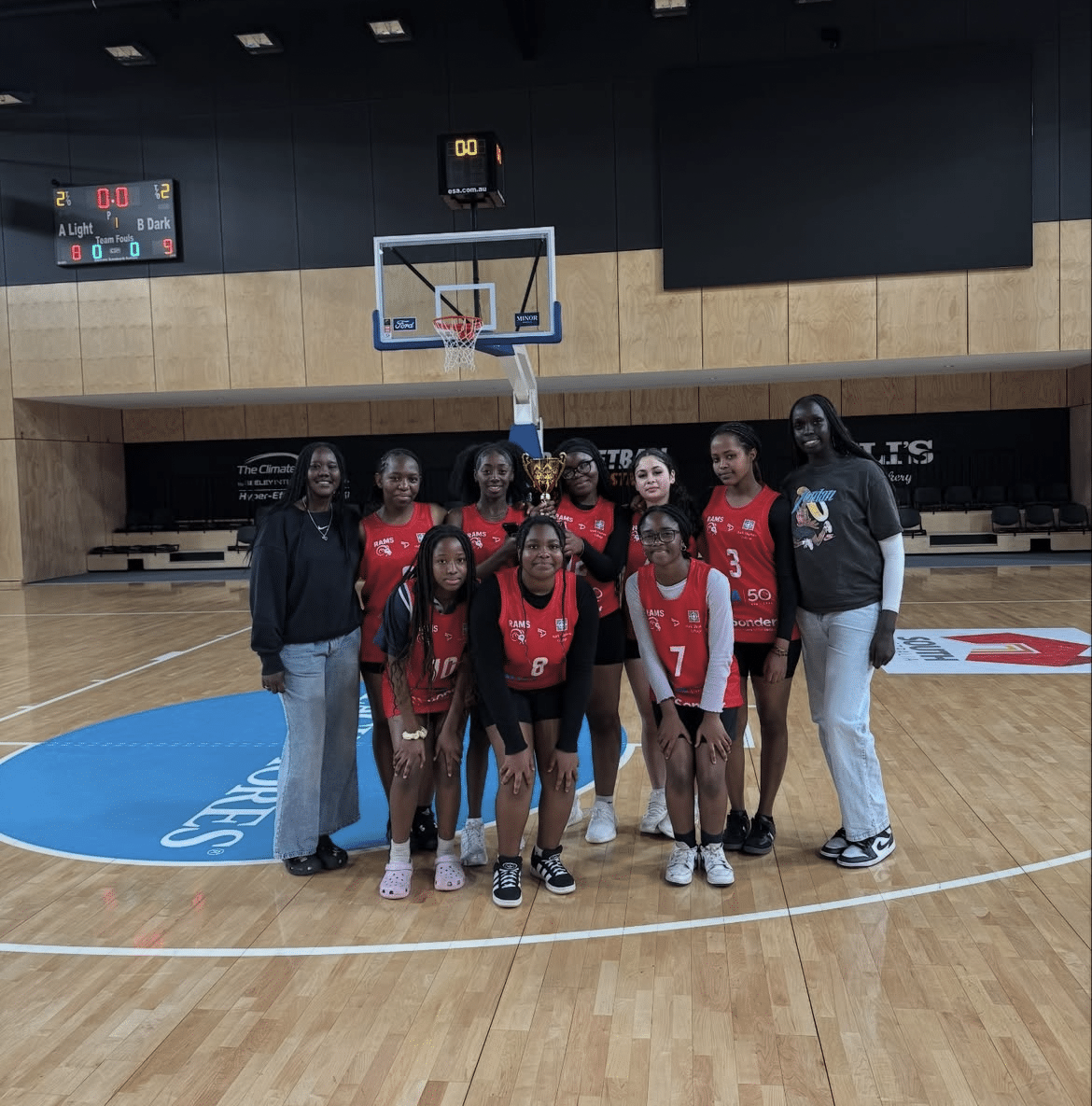
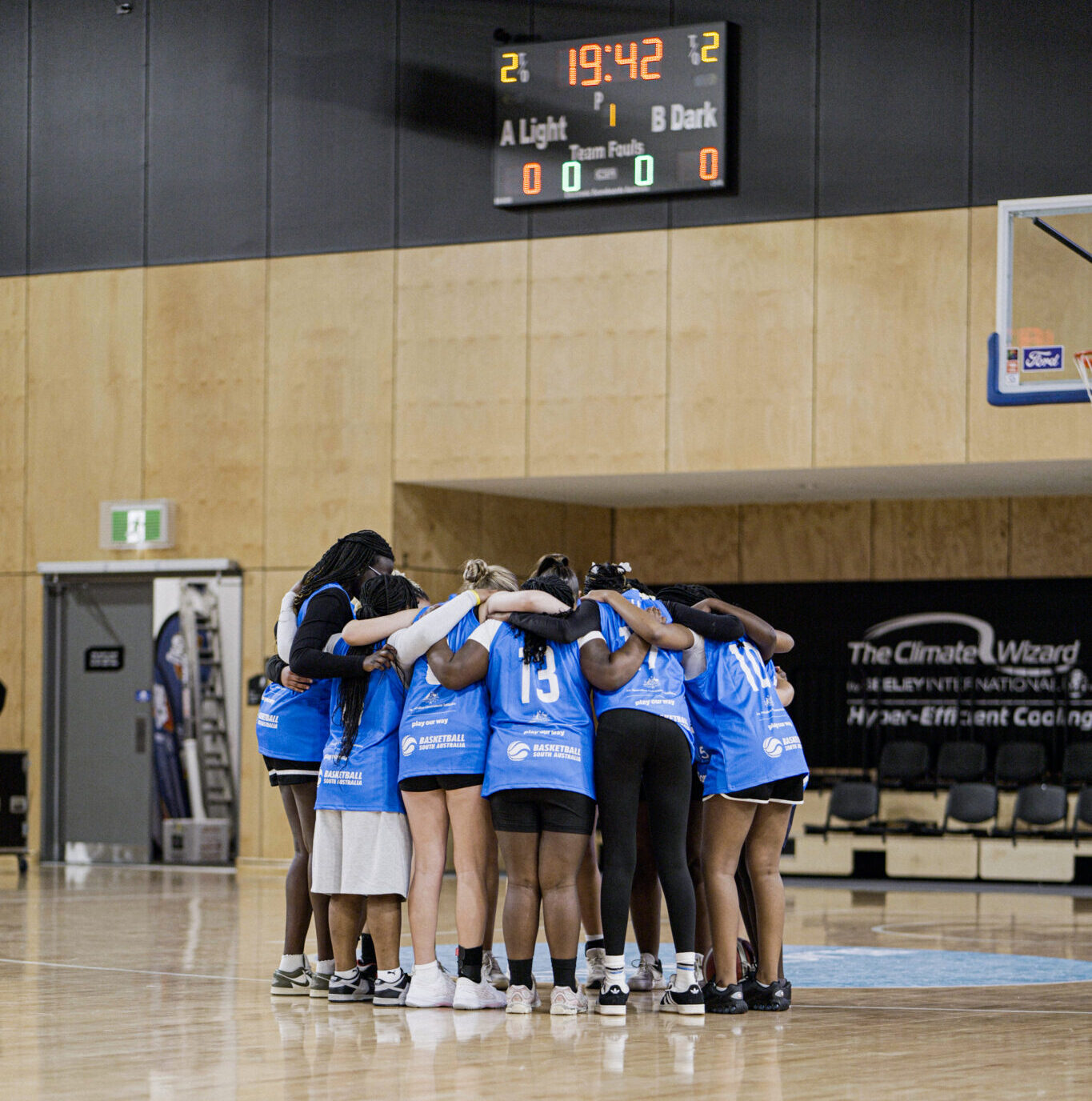
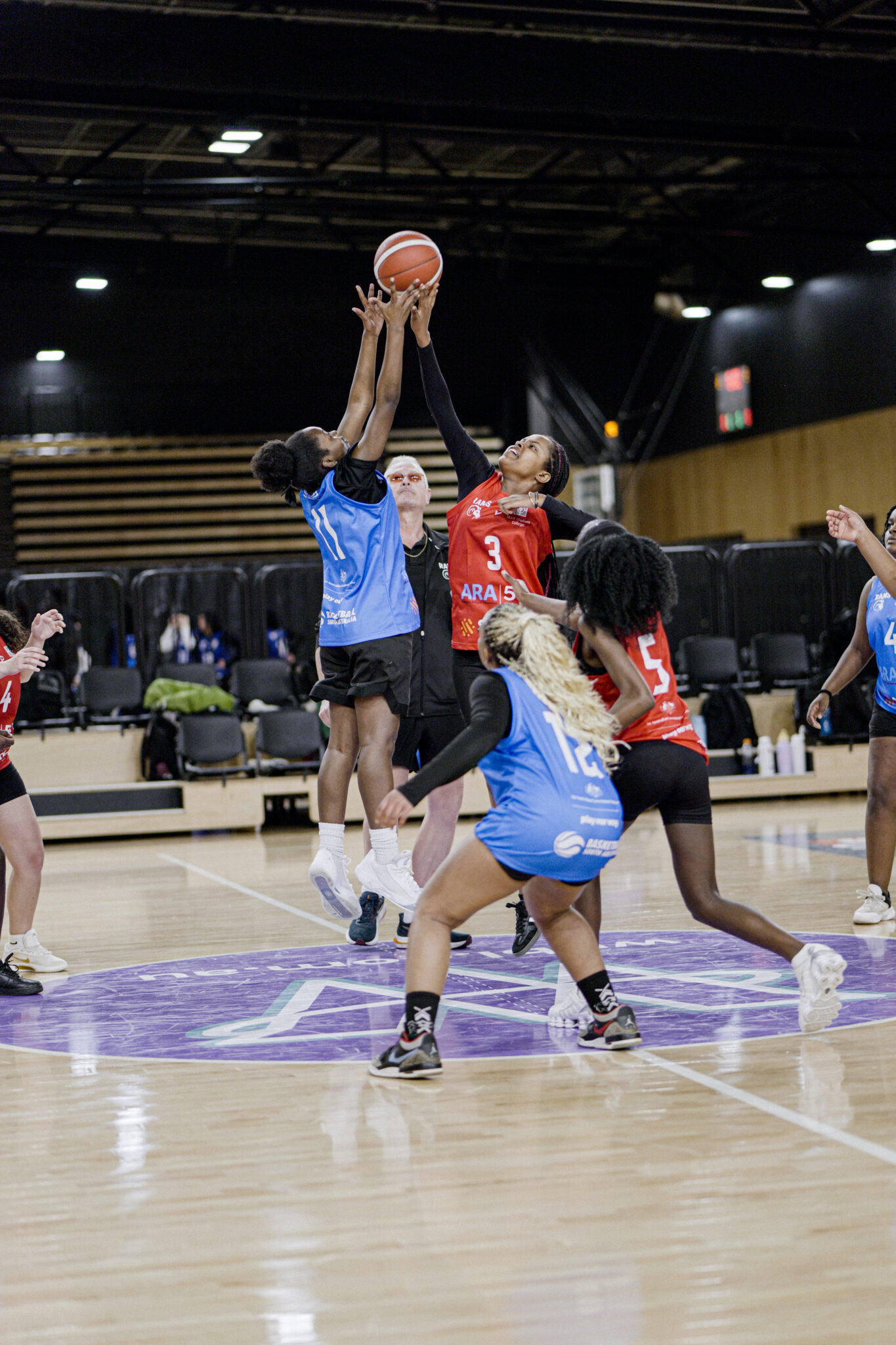
The program culminated in an interschool sports day carnival, where the girls had the opportunity to showcase the skills they had developed over the previous ten weeks.
The day featured friendly basketball competitions, wellbeing and health presentations, a lunchtime dance-off, and a championship showdown that brought teams from the three schools together in celebration.
Marli says the atmosphere was unforgettable.
“The energy was electric! The girls were cheering each other on all day. There was so much noise, so much encouragement, and everyone was just getting around each other. It was fantastic to see.”
More than anything, the day highlighted the power of sport to bring people together.
“It was so much more than a competition,” Marli said. “The day was about participation, having a go, and building connections.”
And, excitingly, the program’s impact has extended beyond the ten weeks:
“We’re hearing that one of the schools has already put together a team to enter a local basketball competition!” Marli shared. “That’s exactly the kind of outcome we were hoping for.”
Building confidence on and off the court
While basketball was the vehicle for the program, the broader goal was to support the girls’ wellbeing, confidence, and sense of belonging.
Physical activity is closely linked with positive mental health outcomes, which is why the program also included a wellbeing component.
During the basketball carnival, Aston Valladares, Community Engagement Officer & Support Services Officer at Sonder’s headspace Adelaide centre, spoke with the students about the mental health supports available locally.
“Physical activity and mental wellbeing go hand in hand,” Marli said. “It was important for us to include an educative piece to make sure the girls knew that support services are available and accessible if they need them.”
The importance of opportunities like these
For girls from culturally diverse backgrounds, participation in organised sport can often be lower due to a range of social, cultural, and structural barriers.
Our Play Our Way program aims to change that by creating inclusive, accessible opportunities that encourage girls to step onto the court for the first time.
“Sport and physical activity offer so many benefits,” Marli said. “Not just physically, but mentally and socially as well. Programs like this help girls build confidence, develop friendships, and learn new skills for life.”
Looking ahead, Marli hopes to expand the basketball program and involve even more schools.
“We’d love to run the program again in more schools and reach even more students,” Marli said. “The response we saw this year shows just how important opportunities like this are.”
Because sometimes, a lifelong love of sport starts with the chance to have a go!
About Play Our Way
Play Our Way is an initiative designed to empower sporting clubs and community organisations to create more inclusive and welcoming environments for women and girls in sport.
Through the program, clubs can access support such as:
- Funding for equipment and uniforms.
- Promotional support to celebrate participation.
- Access to facilitators to run ‘come and try’ sessions and other activities.
Any club offering sport or physical activity can apply for support, from football and netball to martial arts, athletics, and beyond.
By helping remove barriers and build inclusive spaces, Play Our Way is helping more women and girls discover the confidence, connection, and joy that comes from participating in sport.
To learn more about Play Our Way, visit sonder.net.au/play-our-way, make an enquiry, or contact Marli Clark, Play Our Way Project Officer at playourway@sonder.net.au.
–
Play Our Way is funded by the Australian Government.